SDG 7: Affordable and Clean Energy

Home > SDG 7: Affordable and Clean Energy

Introduction:

At GIKI, the implementation of SDG 7: Affordable and Clean Energy is reflected in a strong commitment to sustainability, energy efficiency, and innovation in clean technologies. The institute integrates renewable energy solutions across campus operations, promotes energy-conservation practices, and encourages research in sustainable engineering. Student societies and academic departments actively engage in projects related to solar power, efficient energy systems, and environmental responsibility, fostering a culture where clean energy awareness is part of everyday life. Through these combined efforts, GIKI contributes to a greener future while aligning campus development with global sustainable energy goals.

Use of Energy Efficient Appliances:

Energy-efficient appliances are essential to help save money and energy, protect the environment, and enhance lifestyle. The more energy efficient appliances you use in universities, the lower your utility bills will be while protecting the environment from harmful gases such as carbon dioxide. The energy efficient appliances are purchased and being used at GIK institute. We have replaced LED Bulbs with conventional ones all over the campus. All computers, laptops, printers, scanners, photocopiers etc. that are being purchased by the Institute are Energy Star-Certified. Air conditioners with inverter technology are being replaced by conventional window ACs. By using such appliances, the GIK Institute has improved air quality and better lighting that helps lead to better student learning. Many energy-efficient campuses have better air quality and lighting than other ones. Energy efficient campuses also have a unique opportunity to teach students about sustainability.

Smart Building implementation:

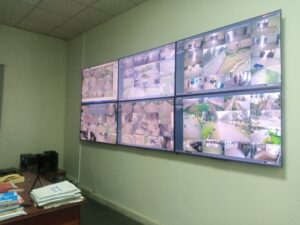
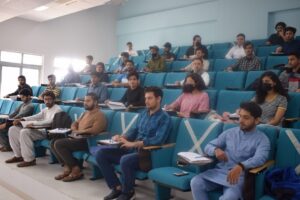
A smart campus uses advanced network infrastructure and internet-connected devices to provide supportive and engaging experiences. It joins people, devices, and applications and allows universities to make insight-driven decisions to improve security and maximize resources. At GIK Institute all buildings are with energy efficient lightings (LEDs), hot and cold water is readily available with energy efficient boilers and geysers, hot and cold climate facilities (VRF based HVAC) for winter and summers has been installed all over the campus, 24/7 security surveillance system has been provided with 100% coverage over the campus, the fire alarm system is in place in all buildings and trainings on emergency situations causing fire are given to the rescue team, faculty, staff and students regularly. All buildings have big windows for efficient provision of light in the lecture rooms, halls, labs, offices etc. Bright colored paint has been used for reflection of light all around.
Green Building Implementation at GIK Institute:

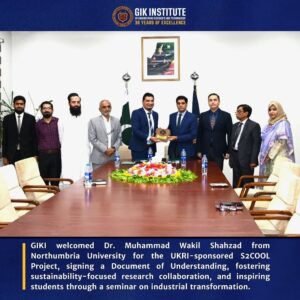
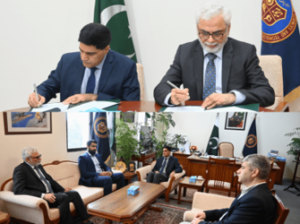
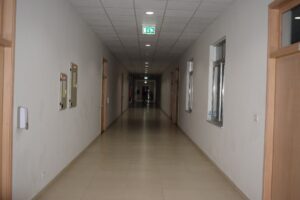
GIKI ensures that all its buildings meet international standards by incorporating key green building elements, including double-glazed windows for natural lighting, spacious walkways and halls for improved indoor air quality, and efficient exhaust systems alongside modern HVAC Variable Refrigerant Flow (VRF) technology. The campus infrastructure is strengthened with comprehensive thermal insulation, using Thermopore sheets to enhance energy conservation and maintain comfortable indoor temperatures in both extreme heat and cold. Energy efficiency remains a priority, with the widespread use of LED bulbs, inverter-based air conditioners, energy-efficient fans, and Energy Star–certified laboratory and office equipment. Further reinforcing its sustainability agenda, GIKI collaborates with industry partners such as PTC, recently participating in a Sustainability and Innovation Conference where students and faculty presented environmentally focused projects. The signing of an MoU with PTC marks a significant step toward advancing practical, innovative, and scalable green solutions on campus and beyond.

Greenhouse gas reduction Program at GIK Institute:

GIKI actively works to reduce Scope 1 greenhouse gas (GHG) emissions through a series of transportation and mobility measures designed to limit on-campus vehicle use and promote shared, efficient travel. The Institute enforces a charged parking permit system for private vehicles, requiring students to obtain permits and restricting unnecessary driving within campus; vehicles may only move for essential reasons such as weekends, holidays, medical needs, or authorized events, as outlined in the Student Handbook. To further reduce emissions, GIKI provides organized transport services for students and staff, including scheduled buses to Rawalpindi, Islamabad, and Peshawar on weekends, as well as regular pick-and-drop services for employees during working days, minimizing reliance on individual vehicles. Additional transport policies and facilities highlighted in campus guidelines reinforce the Institute’s commitment to energy-efficient commuting. Moreover, a culture of ride-sharing is actively practiced among students, further reducing single-occupancy travel. Together, these initiatives significantly contribute to lowering direct emissions from campus-related transportation and support GIKI’s broader sustainability and climate action goals.

GIKI reduces Scope 2 greenhouse gas emissions through a comprehensive mix of renewable energy adoption, efficient resource management, and sustainability-focused initiatives. The Institute has installed a 2.2 MW solar power plant and supplements its energy needs with clean hydropower, significantly lowering emissions from purchased electricity while advancing long-term plans to expand solar capacity and increase energy independence. Sustainable water management further contributes to emission reduction, as treated and stored water is reused for irrigation, lowering both potable water demand and the energy required for traditional irrigation systems. Campus facilities incorporate energy-efficient appliances, including LED lighting and efficient HVAC systems, reducing overall electricity consumption and GHG output. Research and innovation also play a vital role, with academic contributions such as work on hydrogen internal combustion engines supporting future decarbonization pathways. In addition, the Institute enhances carbon sequestration through regular tree plantation drives and green landscaping, prioritizing native, drought-tolerant species to ensure long-term environmental resilience. Awareness seminars, workshops, and student-led sustainability projects build the community’s capacity for climate action, reinforcing GIKI’s institutional commitment to clean energy, reduced emissions, and a greener future.

GIKI reduces Scope 3 greenhouse gas emissions through a wide range of initiatives focused on sustainable waste management, responsible consumption, and community awareness. The Institute practices minimal waste disposal, ensuring that all organic waste—including leftovers from the mess, cafeteria, and landscaping—is collected and handed over to local authorities or local farmers for reuse, thereby diverting waste from landfills and reducing emissions from decomposition. A campus-wide waste segregation system, with clearly labeled bins for recyclable, compostable, and general waste, further minimizes landfill contributions and lowers the energy required for waste processing and transportation. The Chemical Engineering Department supports broader environmental sustainability by offering specialized water treatment and industrial waste management solutions, aiding regional industries in reducing their environmental impact. In addition, GIKI enforces a strict ban on plastic bags, encouraging reusable alternatives to reduce plastic-related emissions and pollution. Regular awareness programs on energy conservation, climate change, and waste management educate students and staff, fostering environmentally responsible habits that contribute to lower indirect emissions. Collectively, these efforts significantly reduce GIKI’s Scope 3 emissions while promoting a strong culture of sustainability within and beyond the campus community.

GIKI expands sustainability efforts by installing another 1MW Solar Power Project. The total solar power of GIKI is now over 2MW.

GIKI has taken a significant step towards advancing sustainability by installing an additional 1MW Solar Power Project, bringing the total solar power capacity at the Institute to over 2MW. This initiative, which was inaugurated by Mr. Ashar Aziz, Chairman of SkyElectric, and financed by the National Bank of Pakistan, aligns closely with SDG 7: Affordable and Clean Energy. By expanding its solar energy capacity, GIKI is not only enhancing its own energy sustainability but also contributing to the broader goals of providing clean, reliable, and affordable energy.

The project underscores the importance of renewable energy in addressing global energy challenges, particularly in regions that are increasingly facing energy crises. With the installation of this new solar power system, GIKI is setting a leading example in Pakistan’s educational sector, showcasing how universities and institutions can play a key role in promoting sustainable energy practices. Additionally, the inauguration event, which included an inspiring speech by Mr. Aziz, empowered students with valuable insights on renewable energy and sustainability, fostering environmental responsibility and encouraging the adoption of clean energy solutions.

As part of the ongoing commitment to SDG 7, GIKI is contributing to Pakistan’s energy transition by embracing solar energy, a clean, renewable, and cost-effective solution that helps reduce the carbon footprint, promotes energy efficiency, and ensures a greener future. With this project, GIKI is not just reducing its own dependence on fossil fuels but also helping to pave the way for a more sustainable energy future for the country.


GIKI Delegation led by Rector, Prof. Dr. Fazal Khalid visited Atlas Honda. Both teams discussed progress on joint Research and Development Projects. Establishment of EV Lab and collaboration on SDGs was also discussed

The visit by the GIKI delegation, led by Rector Prof. Dr. Fazal Khalid, to Atlas Honda marks an important step toward advancing SDG 7: Affordable and Clean Energy. During the visit, discussions focused on joint Research and Development (R&D) Projects, the establishment of an Electric Vehicle (EV) Lab, and collaboration on Sustainable Development Goals (SDGs)—all of which are directly aligned with the global objective of ensuring access to affordable, reliable, sustainable, and modern energy for all.

The Electric Vehicle (EV) Lab is particularly noteworthy in the context of SDG 7. EVs represent a transformative shift in the transportation sector, reducing dependency on fossil fuels and contributing to cleaner energy solutions. By investing in R&D to advance EV technology, GIKI and Atlas Honda are playing a crucial role in developing more energy-efficient vehicles and supporting the transition to sustainable energy systems. This collaboration will likely contribute to the development of energy solutions that reduce carbon emissions, which is essential in the fight against climate change.

Furthermore, the collaboration on SDGs indicates a shared commitment between GIKI and Atlas Honda to create solutions that contribute not just to the energy sector, but also to sustainable development across multiple areas—such as sustainable mobility, green technologies, and clean energy. This type of industry-academia partnership is crucial for accelerating innovations that can help Pakistan and the world achieve SDG 7 and other related goals like SDG 13 (Climate Action) and SDG 9 (Industry, Innovation, and Infrastructure).

Through these efforts, the partnership between GIKI and Atlas Honda is a significant step toward fostering a more sustainable energy future, ensuring that future generations have access to affordable, clean, and modern energy.

Debate on Pakistan’s Energy Landscape: Policy, Regulation, & Sustainability

The Debate on Pakistan’s Energy Landscape: Policy, Regulation, and Sustainability, held at GIK Institute, provided a dynamic platform for experts, policymakers, and students to engage in critical discussions on the future of Pakistan’s energy sector. The debate centered on key challenges such as the country’s heavy reliance on fossil fuels, the need for renewable energy adoption, and the development of efficient regulatory frameworks. Participants highlighted the importance of transitioning to sustainable energy solutions that are both affordable and reliable, in line with SDG 7: Affordable and Clean Energy. With a growing population and increasing energy demand, the need for comprehensive energy policies that promote the use of renewable resources like solar, wind, and hydropower was emphasized, alongside energy efficiency measures to reduce carbon emissions. Discussions also focused on ensuring universal access to energy, especially in rural and underserved regions, which is essential for achieving equitable and sustainable development. By addressing policy gaps and fostering collaboration between academia, industry, and government, the debate underscored the role of innovation and regulation in shaping a clean energy future for Pakistan and contributing to the global effort to combat climate change and promote sustainable development.

Advanced AI Bootcamps on LLM & DNN concluded at NUST & GIKI in collaboration with SkyElectric, SkyLabs AI and Ashar Aziz Foundation

concluded at NUST & GIKI in collaboration with SkyElectric, SkyLabs AI and Ashar Aziz Foundation